



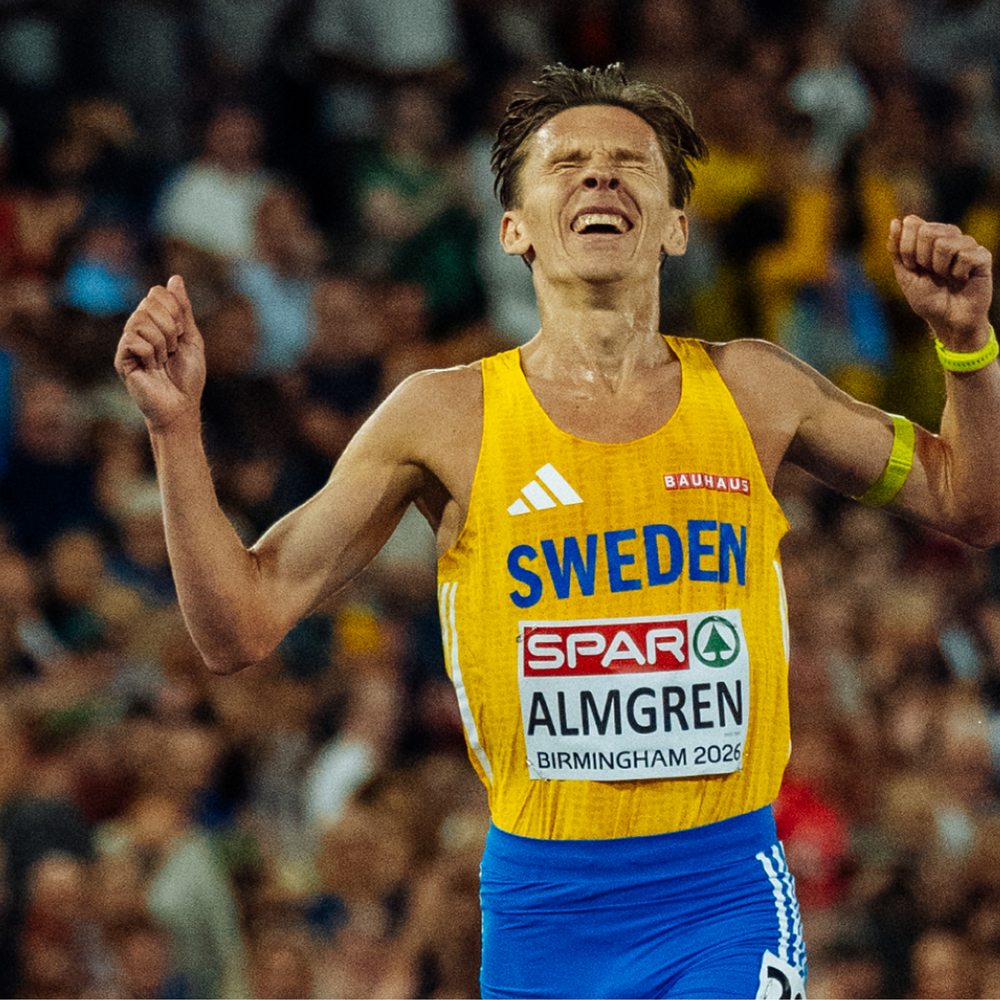

The decisive moment of Andreas Almgren's New York City Marathon debut came under the red and green autumn trees of Central Park. Head up and eyes forward, he was running shoulder to shoulder with Italy's Yemaneberhan Crippa, blue sunglasses shielding Crippa's eyes, their strides almost in rhythm. One of them was about to win against the deepest field in the race's history. There was less than 1.6 km to go.
How Andreas Almgren won the New York City Marathon
The two had been here before. Andreas's 2026 already held a European 10 km road record in January, the European 10,000m title in August and the world half marathon title in September. In Birmingham, he and Crippa had fought for the European 10,000m crown, until Andreas took control and pushed the pace until only one runner was left. On Sunday it looked like a repeat. The Swede leaned slightly forward and a gap opened. Crippa looked back. Andreas kept his eyes forward.
"With about 5k left I felt like, I'm going to be with this to the end," Andreas told COROS. "I wasn't sure that I had it until I saw that Crippa was dropping."

After the race, Andreas said he had not known how he was supposed to feel in the closing kilometres of a distance far longer than any he had raced before. Anyone who has run a marathon knows that feeling: the last 10 km are unknown territory, where legs and lungs start to protest. Andreas is not immune to it, but he had something solid to lean on: a deep understanding of his own body and trust in his training data.
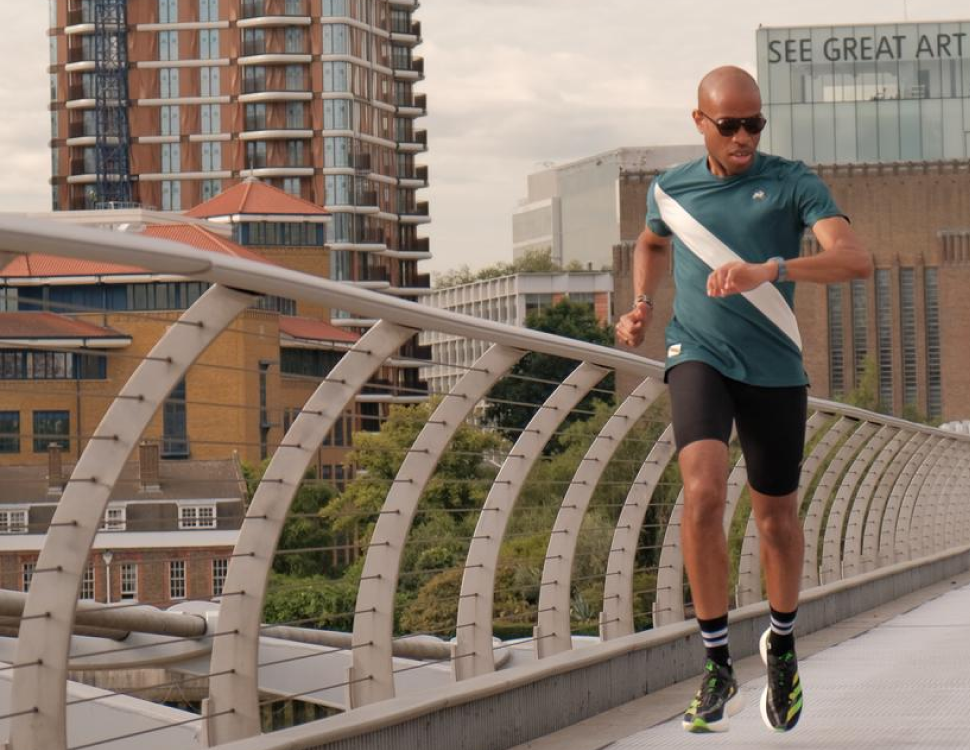
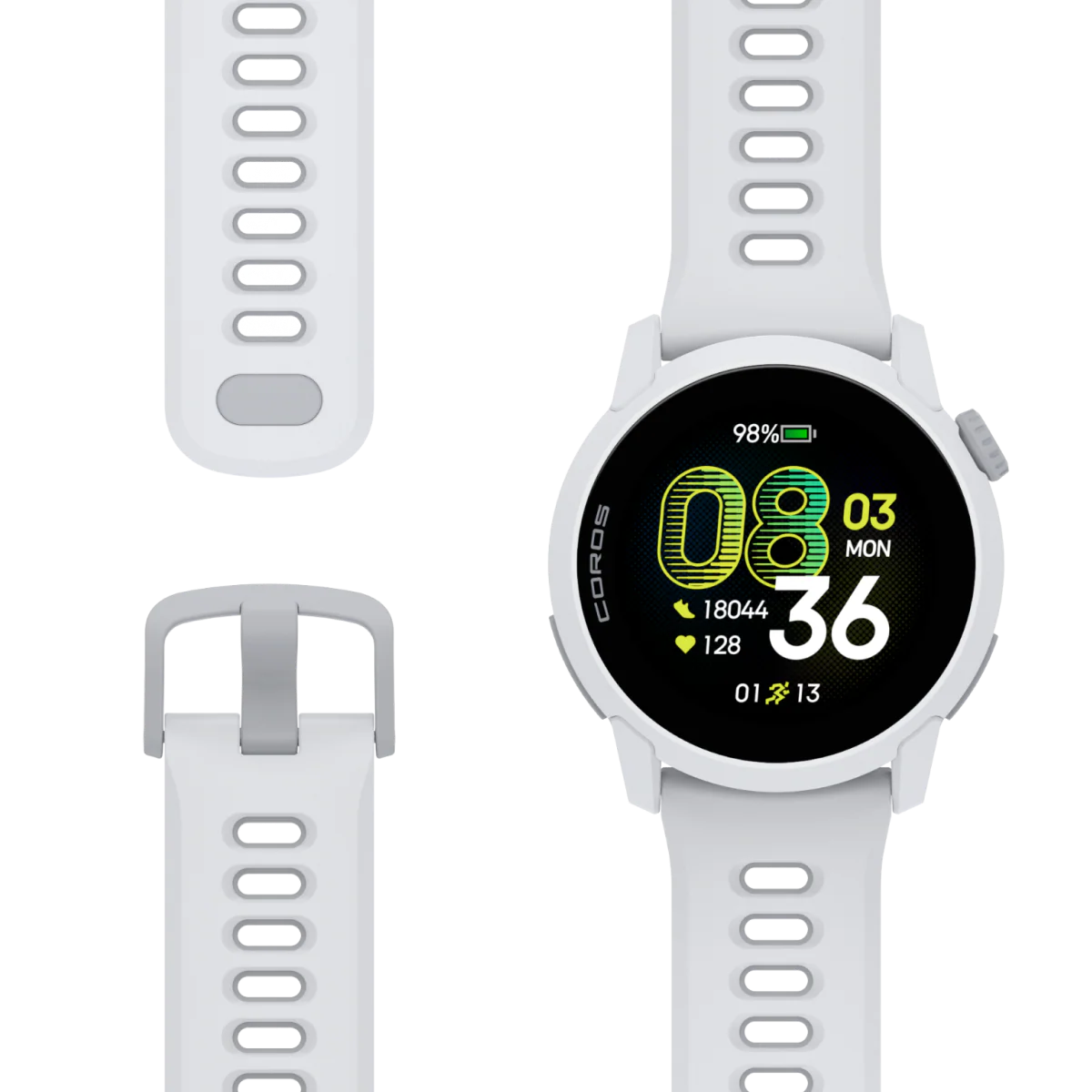
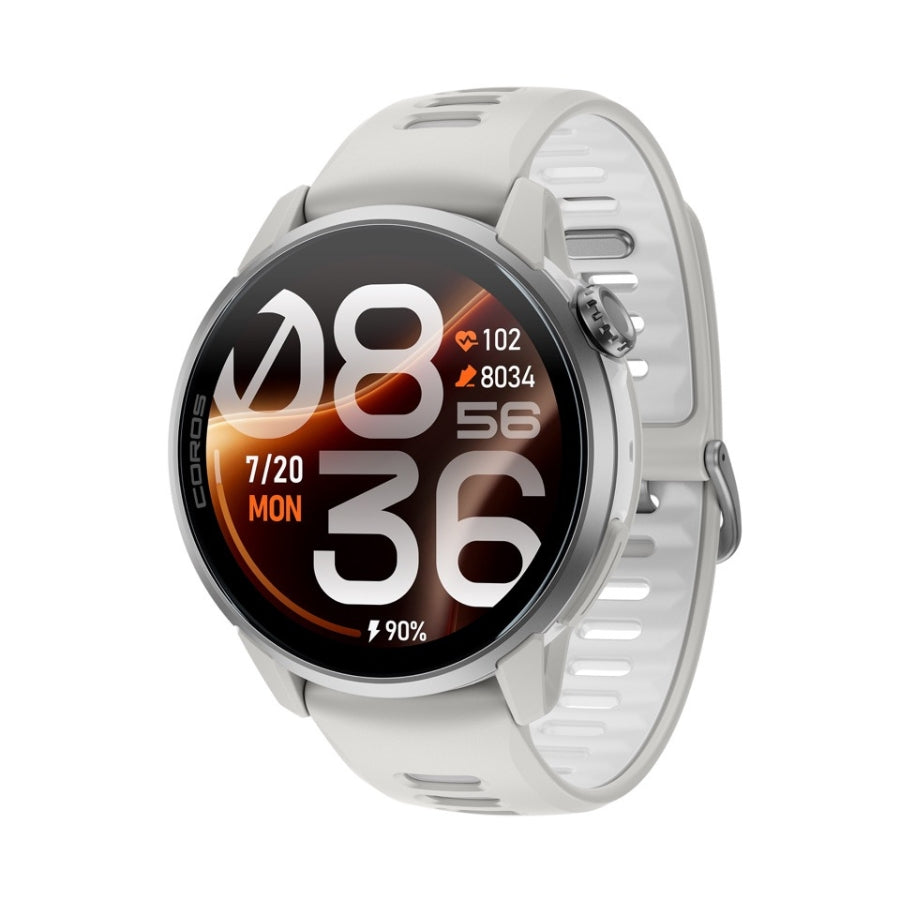
"Data is obviously something I think is very important for everything," said Andreas, who tracks his training with the COROS PACE 4 and the COROS Heart Rate Monitor. "For me, the combination of feeling, speed, heart rate, and lactate usually plays a big role in how I evaluate everything."

Experience may matter more in the marathon than at any other distance, but nothing beats knowing exactly how hard you have pushed and how much you have left. Andreas had never been 40 km into a race, but his workout data had shown him what he needed to improve to be ready for that moment. He had not been there before – and yet, in a way, he had.
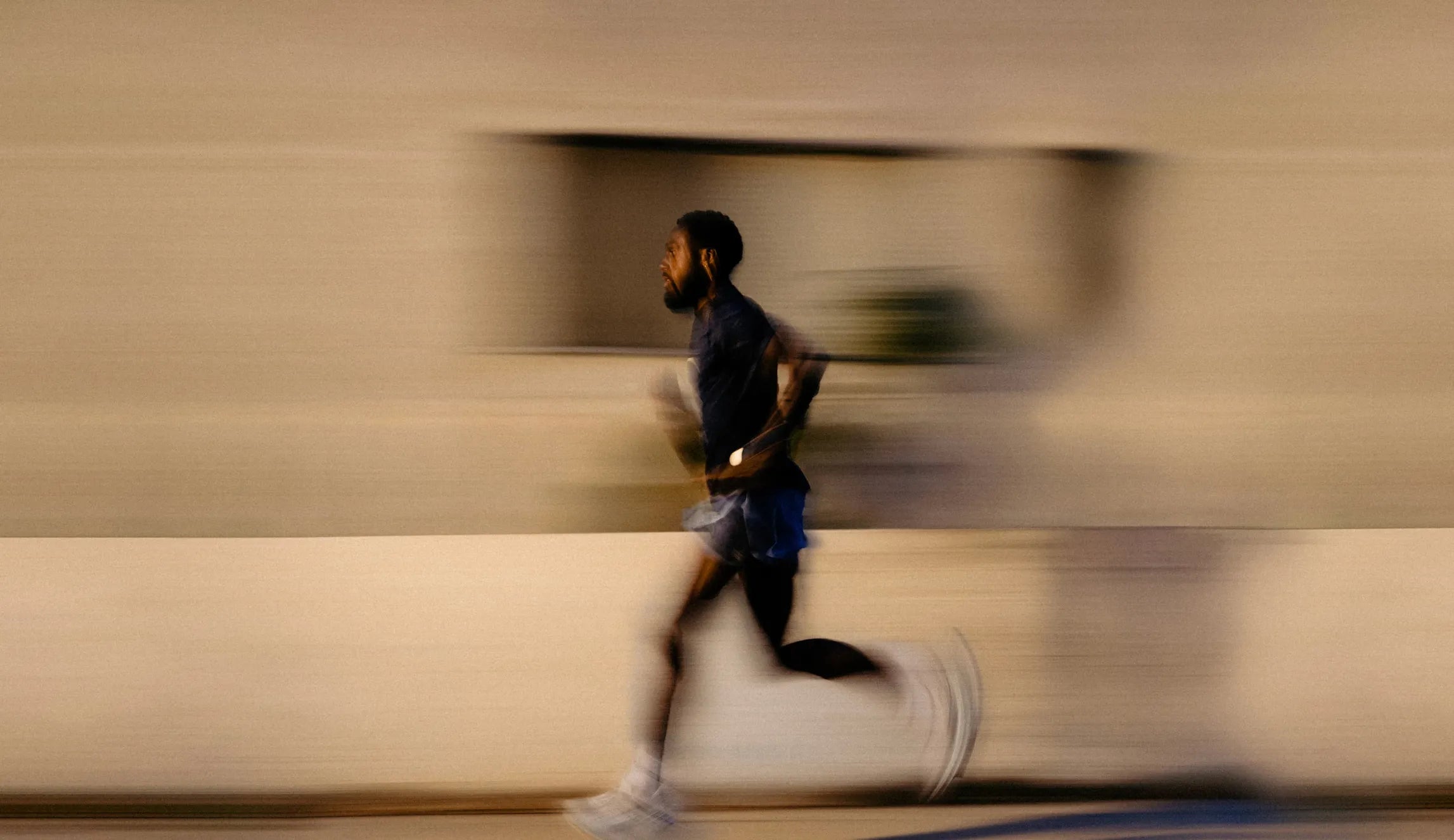
As he ran the final kilometre on Sunday, nobody needed numbers to see that he looked almost comfortable. Even so, his data had one more thing to show: he still had enough left to speed up.
Getting there took years of work – good days that became good weeks, months and years. Andreas first had to fight through a long run of bad luck: recurring injuries, fractures and illness. At the start of 2025 he was finally healthy enough to string together week after week of 170 km, a big base that gave his legs the strength to handle the sessions needed to race for the sport's biggest titles.

Andreas Almgren's marathon training: 12 weeks to New York
87% easy: heart rate zones in the marathon build
After winning the European 10,000m title, Andreas switched to longer runs in Zone 1 and 2 as he built towards the half marathon championships and then New York. Over his 12-week marathon build he spent 87% of his training in the lower aerobic zones and about 12% in Zone 3 and 4. The remaining 1% went to work at the top of his anaerobic range, to keep the speed he has had since winning 800m bronze at the 2014 World Junior Championships.
Andreas describes his basic philosophy like this: get as fit as possible, find out which metabolic system is most likely to limit performance, and strengthen it session by session. "I think that mindset is something a lot of people can learn from," he said. "I think too much data can be a little bit stressful, because you don't know what everything means, but just find your key data points and monitor them as good as possible."

At the start of the block, threshold sessions longer than 15 km were hard for him, but they got easier as the weeks added up. "I think going for more high mileage, slower runs was a big unlock for me to perform," he said.
Key sessions: 36 km in Flagstaff and 8 × 2 km at marathon pace
He spent the final weeks before the race at altitude in Flagstaff. On 18 October he ran 36.2 km over terrain that mimicked the uphills and downhills of the New York course, without ever going above Zone 2. Pace was not the point – on an uneven course it cannot be. The focus was steady effort: faster downhill, controlled uphill.

Then came the big threshold session: 8 × 2 km at marathon effort, targeting about 3:00/km. The aim was to bring his body as close as possible to how the end of a marathon feels, so that every metabolic system would recognise the situation when he reached Central Park.
Race data: Andreas Almgren's New York City Marathon
The race data shows how numbers can give an athlete both confidence and sharp instincts. Andreas passed halfway in 1:04:04 (about 3:02/km) at a relaxed average heart rate of 156 bpm, which set up a much faster second half. As the pace rose, his heart rate climbed into the low 160s and into Zone 4, his lactate threshold. Even the fittest professionals can only hold this zone for 60–80 minutes, but Andreas did not need to get close to that limit. His form sharpened and his cadence rose from 178 to 183 steps per minute. With less than 5 km to go, his heart rate moved into Zone 5, VO2max. If his training had given him enough to win, this was the moment to show it.

Negative split: 1:04:04 and 1:01:57
He covered the last 600 metres in 1:34, at 195 steps per minute and a heart rate of 178. Head still up, eyes still forward. When the first Swedish man to win a major marathon came round the final bend, he was alone in the picture. Andreas broke the tape in 2:06:01, 13 seconds ahead of Crippa. He became the first European-born man to win in New York since 1996, and the first to win on his marathon debut since Ethiopia's Gebre Gebremariam in 2010. He ran the second half in 1:01:57, a negative split of more than two minutes at 2:56/km. A year after watching the New York City Marathon from behind the barriers, he had won it.
"I have never been that emotional after a race," he said. "It first just felt surreal, because I felt that winning was possible, but I didn't really, truly expect it." If he had one thing to say to his manager and friends, many of them waiting at the finish, it was: "We did it."
Read more: Andreas Almgren – athlete profile with his titles, records and how he trains with COROS, and Behind the training of Andreas Almgren on how he builds his threshold sessions.