
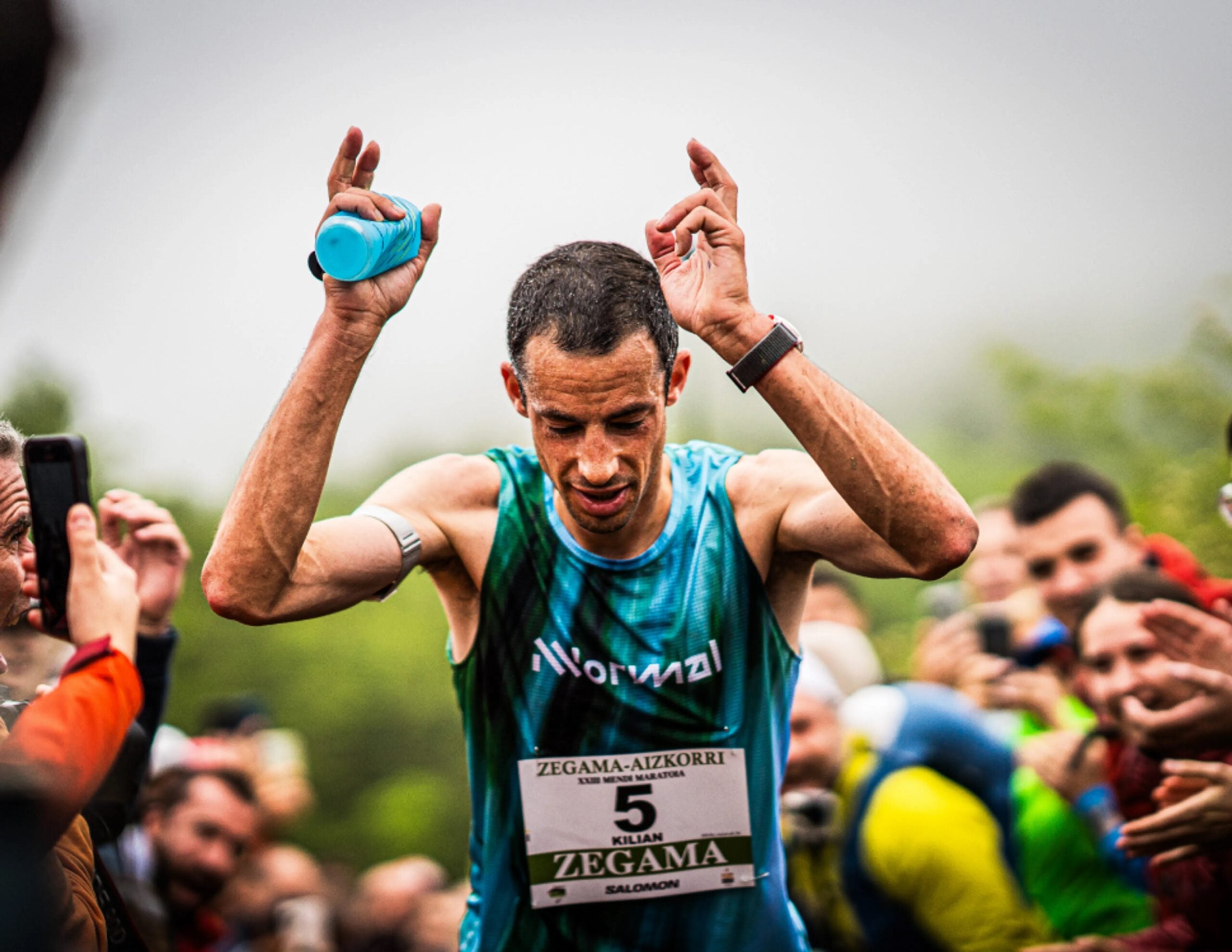

After years of setbacks, Andreas Almgren finally claimed his first major title. On 15 August, at Alexander Stadium in Birmingham, he won the 10,000m at the European Championships in a championship record of 27:23.44, breaking a mark that had stood since 1978.
Building Into Birmingham
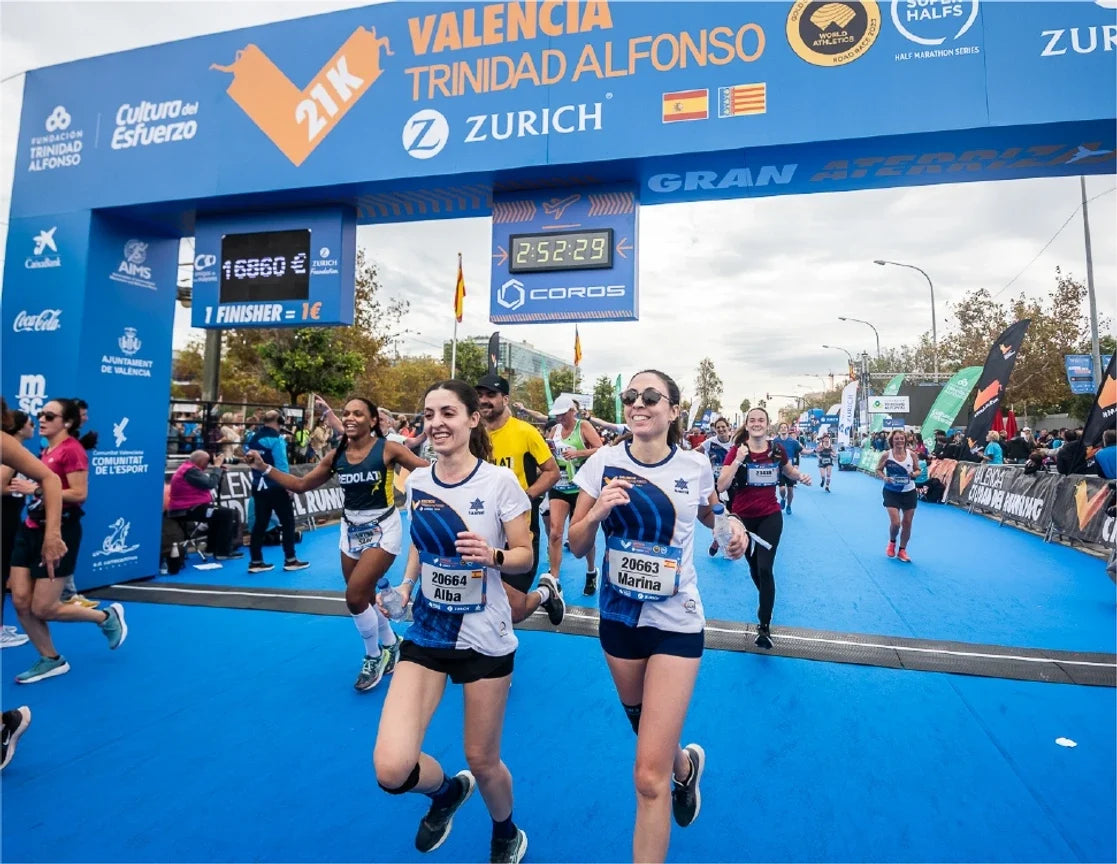
Almgren's season was built around a handful of key training periods and races, beginning with a record-setting start to the year in Valencia. Early in the season his Base Fitness climbed from 115 to 149, while his weekly training load held steady at around 1000 TL with very little variation from week to week.

Before the season, his goal was clear: the 10,000m in Birmingham, and gold.
"I have one specific race in mind, and that's the 10,000m in Birmingham. I'm going to try and do everything I can to get the gold medal… and I hope to run fast on the way there."
It was a very different position from his bronze in Tokyo, and from the years of interrupted momentum, stress fractures, illness and broken training blocks behind him.
"I had a great winter; it wasn't perfect, but I was the fittest I had been. I was able to push more, incorporate speed earlier, thanks to the insight from the data."
Breaking Down the Race
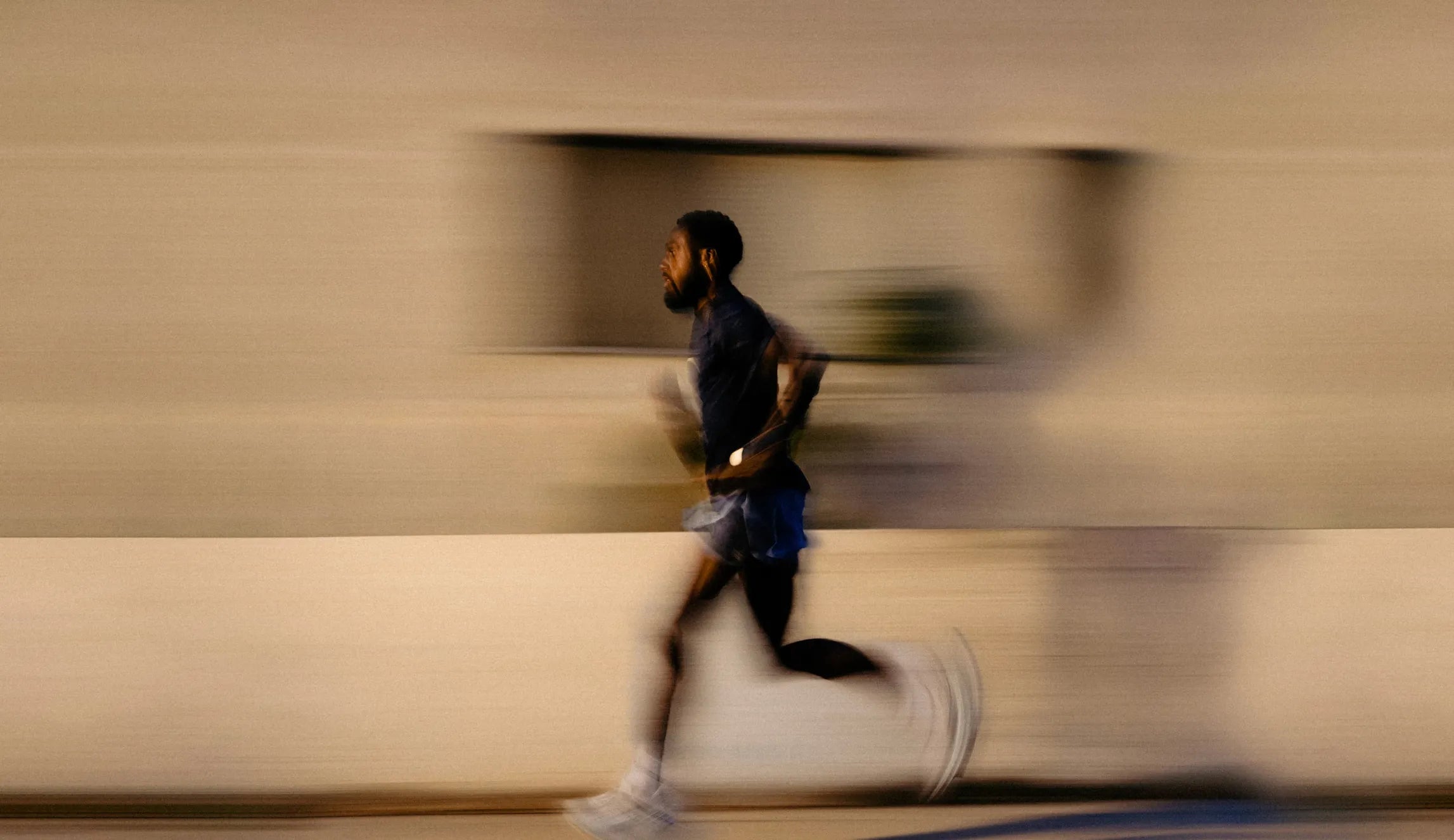
The first kilometre went by in 3:17.4. After the third lap, Almgren moved to the front and took control of the race. The pace dropped to 2:40/km, and his heart rate rose from 146 bpm to 173 bpm, just above his threshold of 168 bpm.
"I wanted to make it all about being the best 10,000m runner. This is a hard way of racing, but I know my strengths, and I wanted to take it on."
Holding the effort
The next four kilometres were remarkably even: 2:39.7, 2:40.8, 2:40.2 and 2:38.5, with his heart rate climbing gradually from 176 to 179 bpm. At halfway, four men were still within reach: Mike Foppen (Netherlands), Yemaneberhan Crippa (Italy), Jimmy Gressier (France) and the reigning European champion, Dominic Lobalu (Switzerland).

"Naturally, you start to have doubts if your plan is working; all of the years of injuries, setbacks, and near misses try to creep into your mind. I really had to focus and trust my training."
The Hammer Drop
Around the seventh kilometre, the chasers began to fade, and Almgren made a second surge that broke the last of the group. To spectators the move was barely visible, but it is clear in his lap data: five consecutive surging laps before he settled back into his rhythm.

Finishing: Alone at the Front
The final two kilometres looked like a procession, but Almgren stayed focused. His heart rate recovered and stabilised, averaging 179 bpm over the final laps, and he crossed the line in 27:23.44, a new championship record.
He ran a clear negative split:
- First 5000m: 14:05.07, average heart rate 165 bpm
- Second 5000m: 13:17.74, average heart rate 180 bpm
"I was gaining confidence with each lap, but you never believe you have won until you cross that line."
Andreas Almgren using COROS
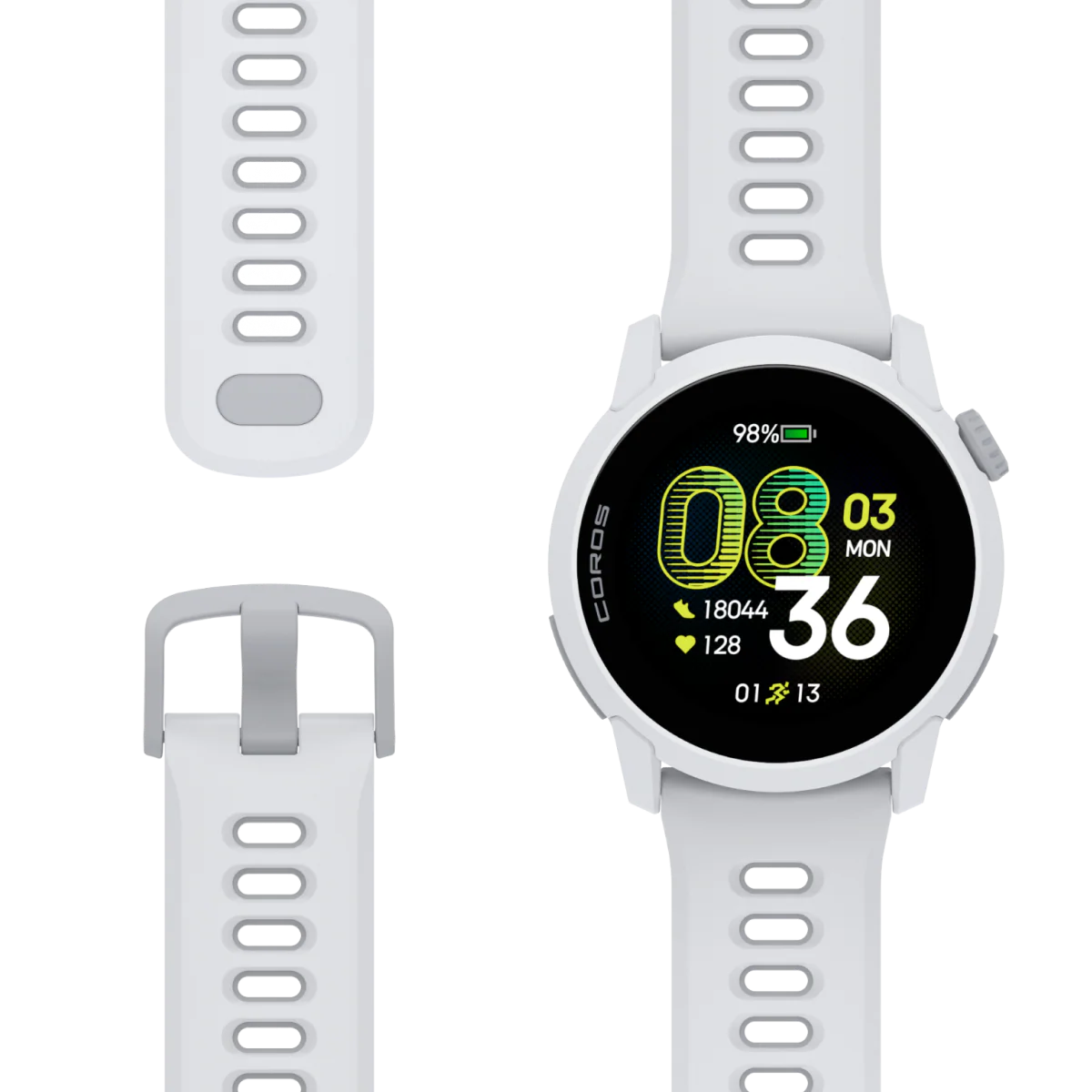
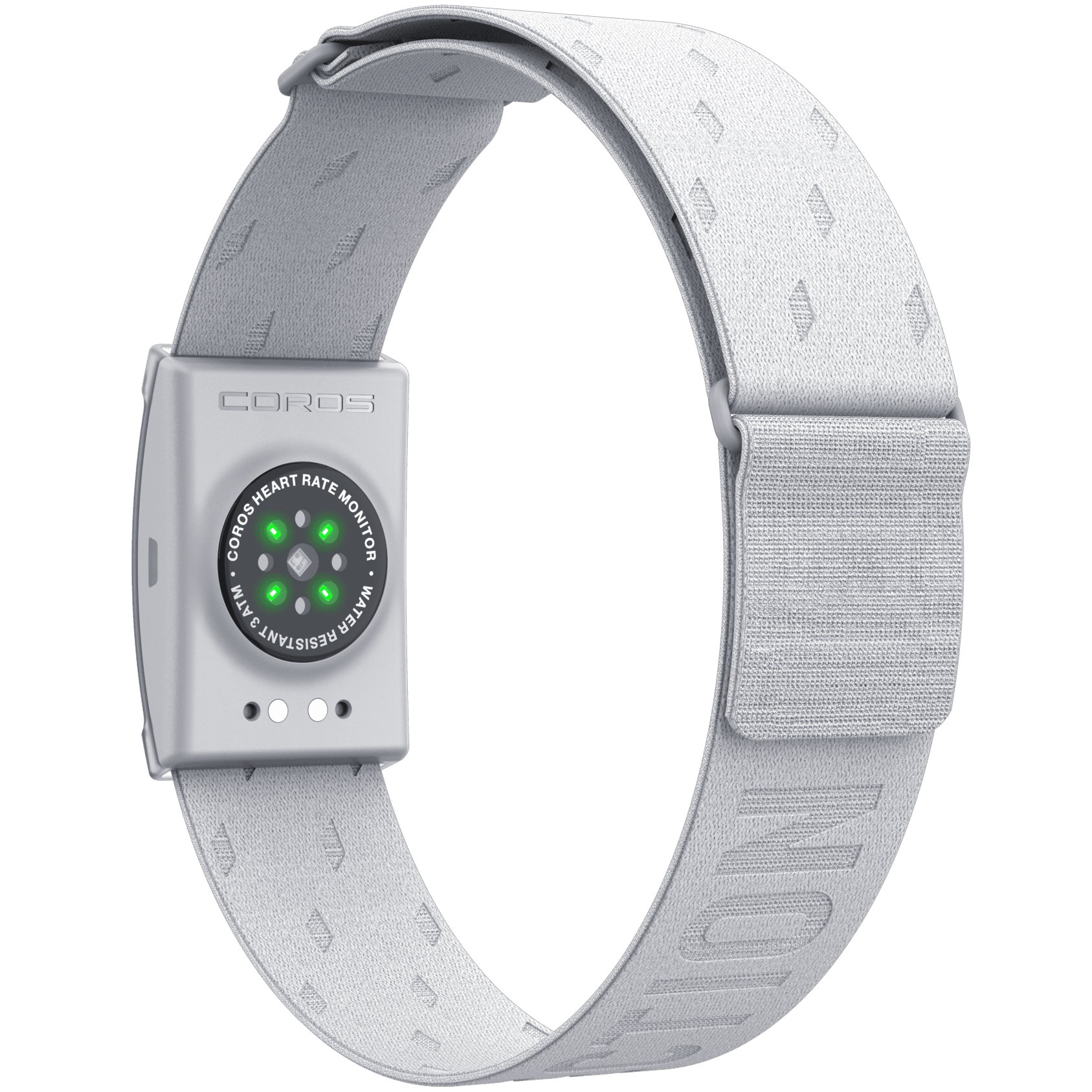
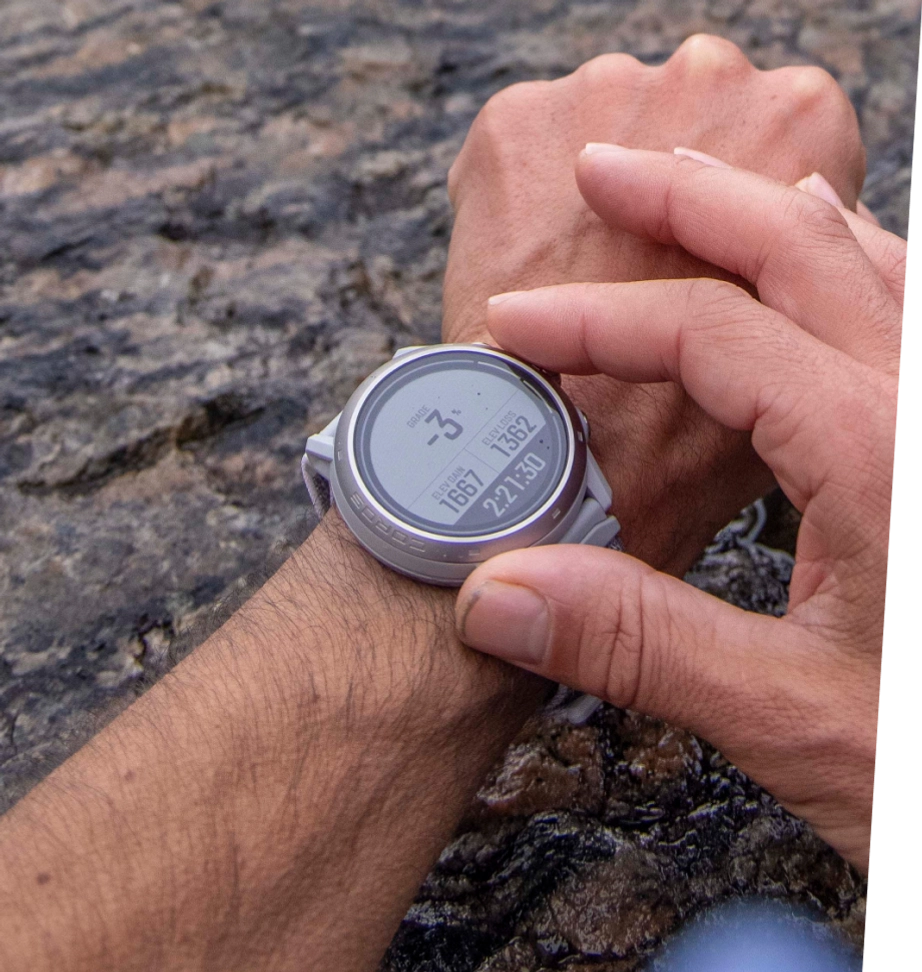
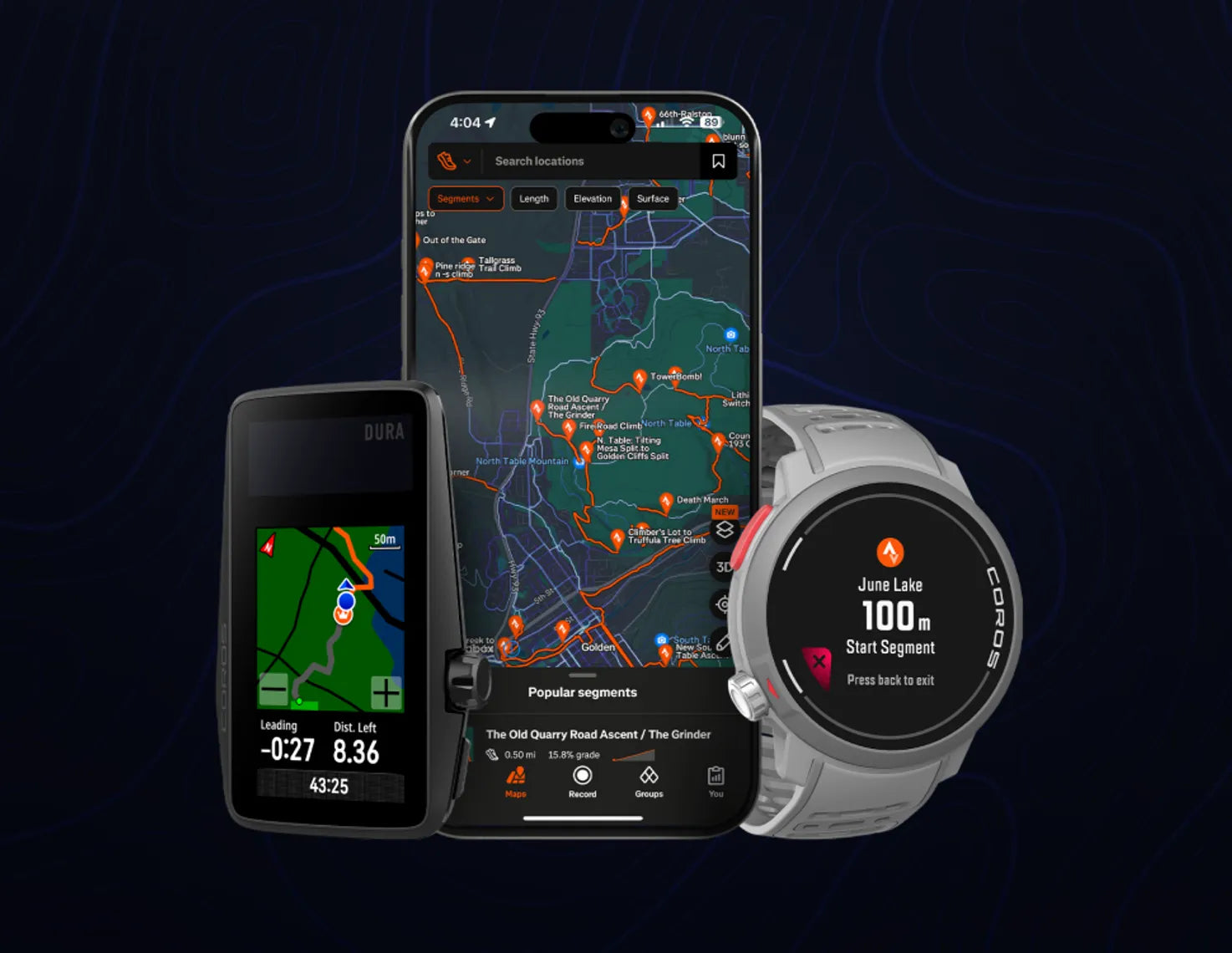
Almgren wore the COROS PACE 4 and the COROS Heart Rate Monitor throughout his training and in the race, and used the COROS Training Hub to follow his fitness progress towards Birmingham. That data helped him commit to a plan made almost a year earlier, and to trust it in the moments of doubt.
"It's a result I can be proud of for a really long time."
The gold medal is proof that years of hard work were not wasted.
Read more: Andreas Almgren – COROS athlete profile