



The Valencia Marathon is one of the fastest, flattest marathon courses in the world. With a sea-level start, reliably cool weather and wide, smooth roads, it is ideal for runners chasing a personal best. But no marathon comes easily without proper training. Read on to learn how to prepare for this unique event.
What Makes Valencia Unique?
- Flat and fast: the course has less than 10 metres of elevation change, which reduces muscular strain but increases the demand for metabolic efficiency.
- Season finale: the 2026 Valencia Marathon is scheduled for 6 December, at the end of the autumn marathon season. This gives runners the maximum amount of time to train.
- City preview: held six weeks earlier, on 25 October, the Valencia Half Marathon works as a built-in checkpoint during marathon training. It gives athletes valuable race-day experience and enough time to adapt their training ahead of the full marathon.

What the Body Needs to Be Ready For
A flat, fast marathon like Valencia has the potential for a fast time, but it is not without its challenges.
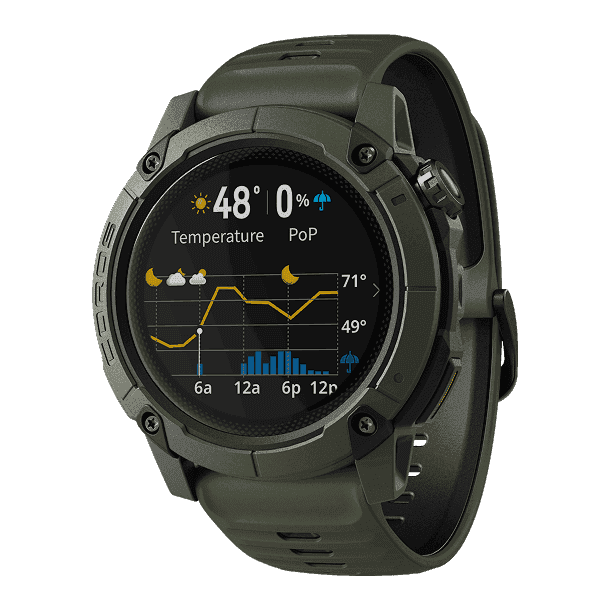
- Pace control: with so many athletes chasing personal records, it is easy to overreach early and fade late. Training for even pacing on flat terrain is essential. A virtual pacer is available on all COROS watches to show whether you are ahead of or behind pace. For more advanced splits, you can use the new COROS Pace Strategy.
- Cadence consistency: one of the first signs of a slowing pace is a drop in cadence. Train to hold a consistent rhythm kilometre after kilometre. To practise, set up cadence alerts for your target range, and your COROS watch will alert you if you drift out of it.
- Strong base: building your aerobic base is critical in the early stages. Every marathon requires athletes to be aerobically strong, built over many weeks of higher volume. Following a structured training plan makes sure you get the right amount of aerobic conditioning.
Training Plans to Get You There
Your training plan should guide you through progressive volume, targeted workouts and recovery, all timed to peak on race day. As the 2026 Valencia Marathon takes place on 6 December, make sure your plan’s start date lines up so that your peak and taper fall at the right time.
Here are five structured COROS plans to choose from:
- 16-Week Beginner Marathon Plan: for runners tackling their first marathon, with a steady build in volume and recovery weeks.
- 12-Week Marathon Plan – 4:00–4:30: for athletes with some marathon experience targeting 4–4.5 hours.
- 12-Week Marathon Plan – 3:15–3:35: for athletes with some marathon experience targeting 3–4 hours.
- 12-Week Marathon Plan – 2:45–3:00: for athletes with some marathon experience targeting under 3 hours.
- Personalised Marathon Plan: build your own custom schedule with COROS coaching tools, based on your time, goals and experience.
Still looking? Browse the full COROS training plan library for more race distances and focus areas.
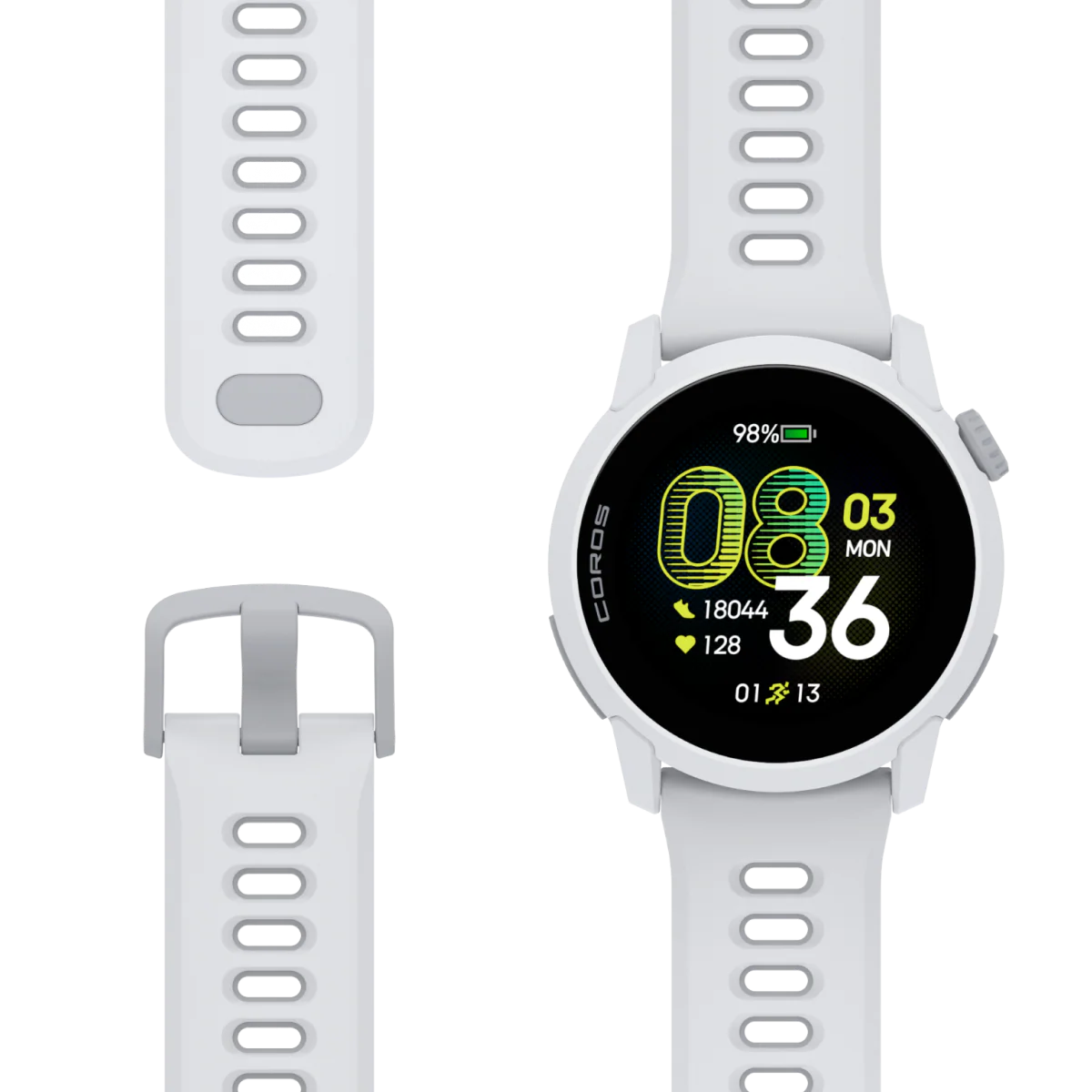
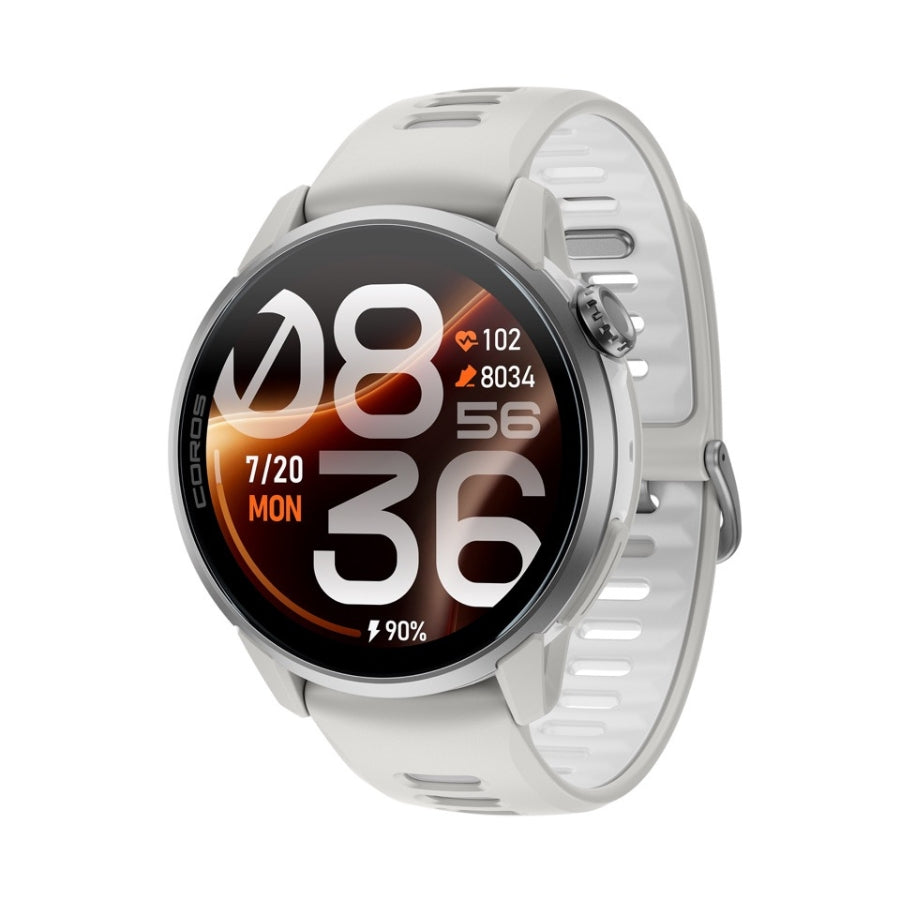
COROS Tip: Looking for the best marathon watch? The COROS PACE 4 is lightweight, with dual-frequency GPS and all the tools you need to train smarter and race strong.
COROS Features That Help You Prepare

- Running Fitness: track how your fitness is evolving. This metric gives a real-time sense of your progress and marathon readiness.
- Training Status: this metric guides your weekly volume. Stay within your target range to optimise adaptation and avoid overtraining.
- Recovery Time: prioritise recovery to absorb your training. Your body improves during rest, not just during effort.
- POD 2 metrics: improve your running form by tracking ground contact time, stride height and cadence with the COROS POD 2 – key for maximising efficiency on flat courses.
Customise Your Watch for Valencia

Download one of our free Valencia Marathon watch faces to stay focused on your goal every time you glance at your wrist.