


If you’ve spent enough time fishing, you already know one thing: fish aren’t just everywhere in the water.
They hold at a certain depth. Not randomly, but where things line up — temperature, oxygen, and bait. And that depth changes more often than people think. Sometimes over the season, sometimes within the same day.
The tricky part is figuring out where that zone is right now.
Because once you find it, everything else gets easier.
With COROS HYDROP, you can scan water temperature as you fish and quickly see how the water is layered. That makes it a lot easier to understand where fish are likely holding, without guessing.
Fish Don’t Think About Depth — They Follow Temperature
Most fish are cold-blooded, which means their body temperature follows the water around them. That affects how active they are, how they feed, and how willing they are to chase your lure.
So instead of moving freely through the entire water column, they usually stay within a certain temperature range where they feel comfortable.
That’s why some days you can cast all over without a bite — and then suddenly find a very specific depth where everything starts happening.
It’s rarely a coincidence.

Why Temperature Layers Matter
Water isn’t the same from top to bottom. Especially during warmer months, it forms layers.
At some point, you’ll hit a noticeable shift — a layer where the temperature changes faster. That’s what anglers call the thermocline.
Fish often stay close to this zone. Not always exactly in it, but nearby, where conditions are stable and food is available.
If you’re fishing above or below that layer, you might be completely missing them.
What Happens When You Start Measuring It
This is where things get interesting.
Instead of guessing, you start seeing patterns:
- Certain depths are consistently more productive
- Fish react differently depending on temperature
- Some days they sit higher, other days deeper
Sometimes warmer water closer to the surface triggers more aggressive strikes. Other times, fish stay deeper and move less, which means you need to slow things down.
The more you pay attention to it, the more it starts to make sense.
How HYDROP Fits Into Your Fishing
Using HYDROP doesn’t really change how you fish — it just gives you more insight while you’re doing it.
You cast like normal. As it sinks and you start retrieving, it records temperature through the different layers.
After the retrieve, you can see where things change — where the water stabilizes, where it drops, where that key zone might be.
From there, it’s just about adjusting:
Maybe you switch to a lure that runs a bit deeper.
Maybe you add weight to stay in that layer longer.
Or maybe you realize you’ve been fishing too shallow the whole time.
And once you find that productive depth, you can repeat it — not just in one spot, but across the whole area.
Over Time, It Starts to Click
One trip won’t tell you everything. But after a few sessions, patterns start to build.
You begin to connect:
- Depth and temperature
- What worked and what didn’t
- How fish reacted on different days
And instead of guessing where fish might be, you start having a pretty solid idea before you even make your first cast.
That’s when things really change.
Using HYDROP with Your COROS Watch
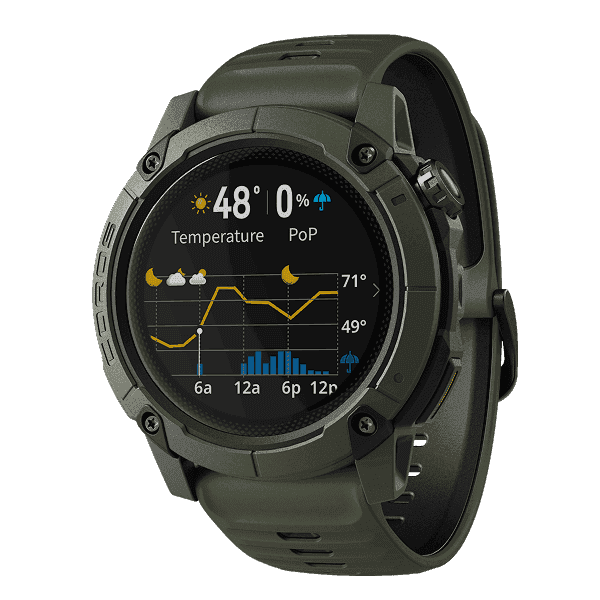
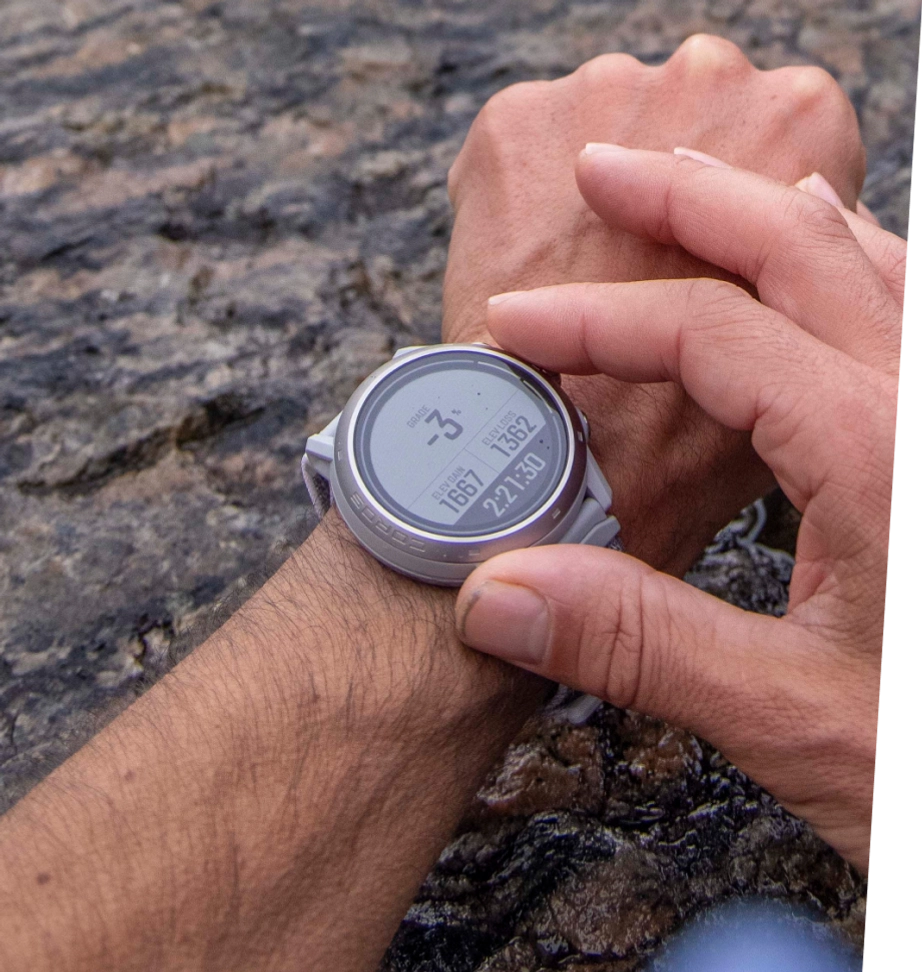
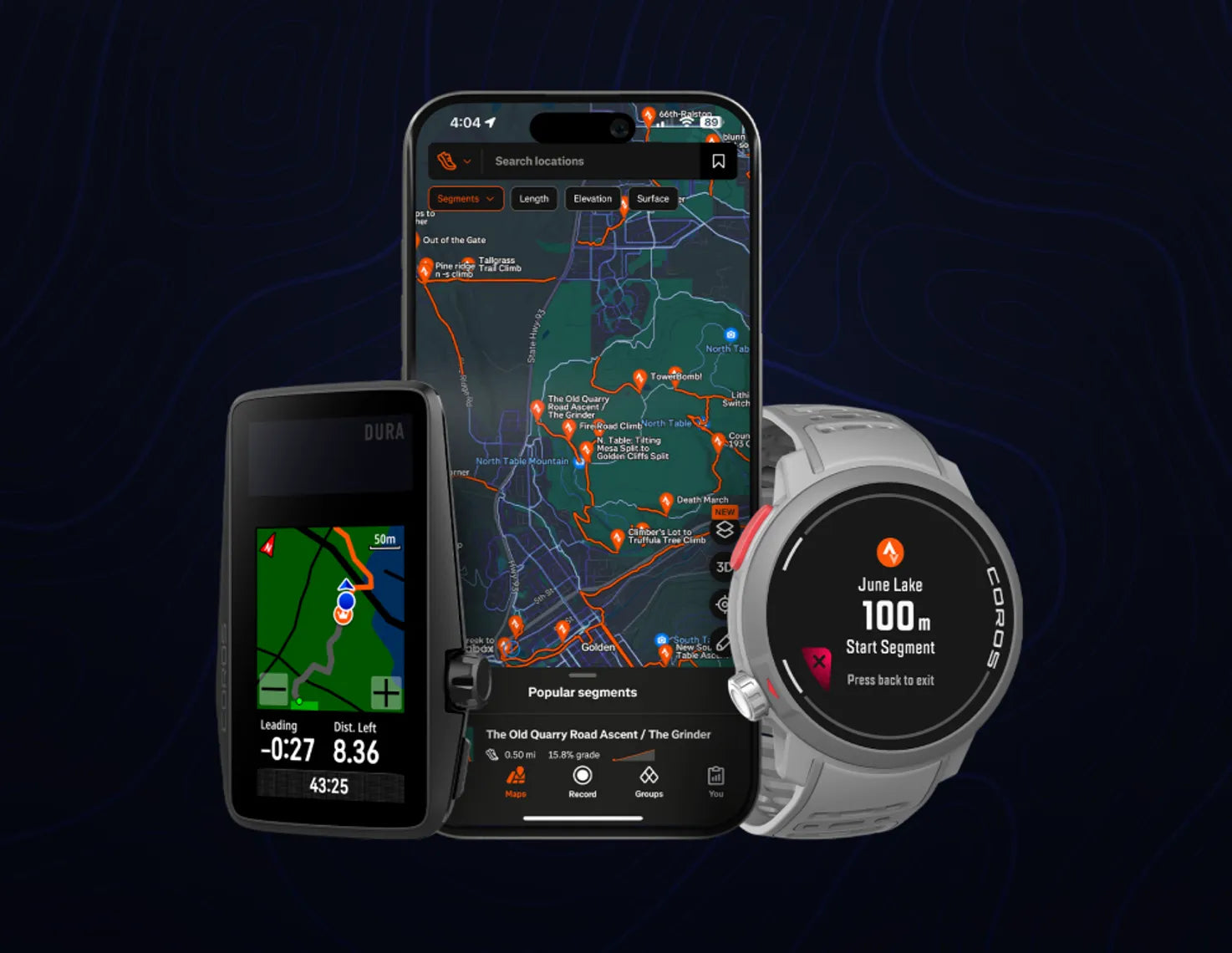
Everything syncs directly with your COROS watch and app, so the data is easy to access whenever you need it.
You can use it:
- Through the Toolbox
- During a Fishing Activity
- Or directly on the Explorer Map
No complicated setup, and no need to interrupt your fishing.

Fish Smarter Without Overthinking It
At the end of the day, this isn’t about turning fishing into something complicated.
It’s about removing a bit of the guesswork.
When you understand where fish are holding — and why — you spend less time searching and more time actually catching.
Ready to Find the Right Depth?
If you want to get a clearer picture of what’s happening below the surface, HYDROP gives you that extra edge without changing how you fish.
Shop COROS Hydrop & Shop COROS NOMAD.